Understanding the Difference Between Excise Tax and VAT in the UAE
Understanding
the Difference Between Excise Tax and VAT in the UAE
When it comes to
taxation in the UAE, two significant forms of indirect taxes are Excise Tax and
Value Added Tax (VAT). Both play crucial roles in generating government revenue
and regulating the consumption of goods, but they serve different purposes and
impact consumers differently. Here's an in-depth look at the differences
between these two taxes in the UAE.
Excise Tax and Value Added Tax (VAT)
Introduction to Excise Tax and VAT
UAE introduced the Excise Tax in 2017, and VAT in 2018 as part of its broader plan to diversify its revenue streams and reduce reliance on oil revenues. Despite their introduction around the same time, they target different types of goods and have distinct implications for businesses and consumers.
Excise Tax:
Excise Tax is primarily
a form of "sin tax" imposed on goods that are deemed harmful to
public health or the environment. The main objective is not only to generate
revenue but also to discourage the consumption of specific goods.
·
What
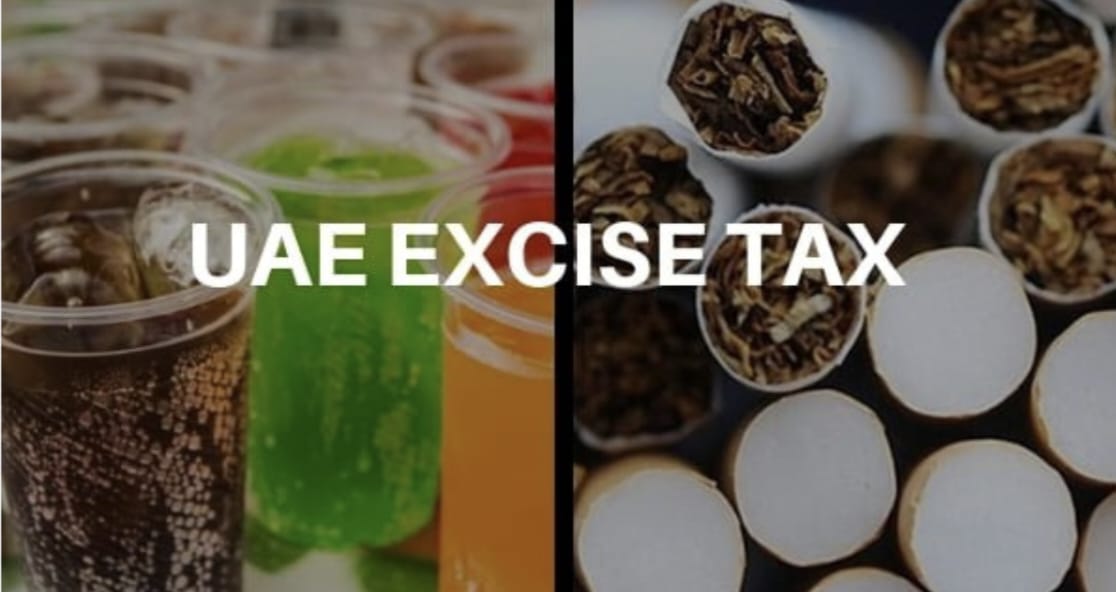
It Covers: Excise Tax applies to goods such as tobacco
products, energy drinks, and carbonated drinks. In 2019, sweetened beverages
and electronic smoking devices were also added to the list.
·
Rate
of Taxation: The Excise Tax rates vary depending on
the product. For instance, tobacco products and energy drinks are taxed at
100%, while carbonated drinks are taxed at 50%.
·
Purpose:
Its primary goal is to influence consumer behavior, reducing the consumption of
unhealthy or environmentally harmful products.
Value Added Tax (VAT) :
VAT, on the other hand,
is a broad-based consumption tax that is levied on most goods and services that
are bought and sold in the UAE. It is a tax on the value added at each stage of
the supply chain.
·
What
It Covers: VAT is applied to almost all goods and services at
a standard rate of 5%. However, some goods and services such as healthcare,
education, and specific financial services are exempt or zero-rated.
·
Rate
of Taxation: The standard VAT rate in the UAE is 5%,
which is relatively low compared to the global average of around 15-20%.
·
Purpose:
VAT is designed to be a revenue-generating tax for the government, spreading
the tax burden across a wide range of goods and services without
disproportionately impacting any specific sector.
Key Differences and Impact on Consumers and Businesses
Key Differences:
|
Aspect |
Excise
Tax |
VAT |
|
Purpose |
To
discourage consumption of harmful
goods. |
To
generate government revenue |
|
Goods/Services
Covered |
Specific
goods like Tobacco , Tobacco Products cigarettes, Carbonated Drinks i.e., fizzy drinks Energy
Drinks i.e caffeine, taurine, ginseng, vape devices |
Broad
range of goods and services like
Clothes, electronics, furniture, Restaurant meals, grocery Water,
electricity, gas, Vehicle
sales, Mobile
services Movie tickets, hotel stays with 5% tax and Medical
services ,Education Services with 0% tax. |
|
Tax
Rates |
Varies
by product (e.g., 50%-100%) |
Flat
5% on most goods and services |
|
Exemptions |
No
exemptions for listed goods |
Exemptions
for healthcare, education, etc. |
|
Consumer
Impact |
Targets
specific high-risk consumption |
across
a wider consumer base |
Impact on Consumers and Businesses
·
Excise Tax directly increases the price
of certain products like tobacco and sugary drinks, encouraging healthier
consumption patterns. Consumers of these goods bear the brunt of the tax, and
businesses dealing in these products must register and account for excise
taxes.
·
VAT, being a more widespread tax,
impacts all consumers, but businesses play a key role as intermediaries.
Businesses charge VAT on sales and can recover VAT on purchases, passing on the
net tax burden to consumers.
Conclusion:
While both Excise Tax
and VAT serve to raise government revenue, they differ in their scope,
application, and purpose. Excise Tax is targeted at specific goods deemed harmful,
aiming to deter their use, whereas VAT is a broader consumption tax designed to
be applied universally across most goods and services. Understanding these
differences helps both consumers and businesses navigate the UAE’s tax
landscape effectively.
Related Posts